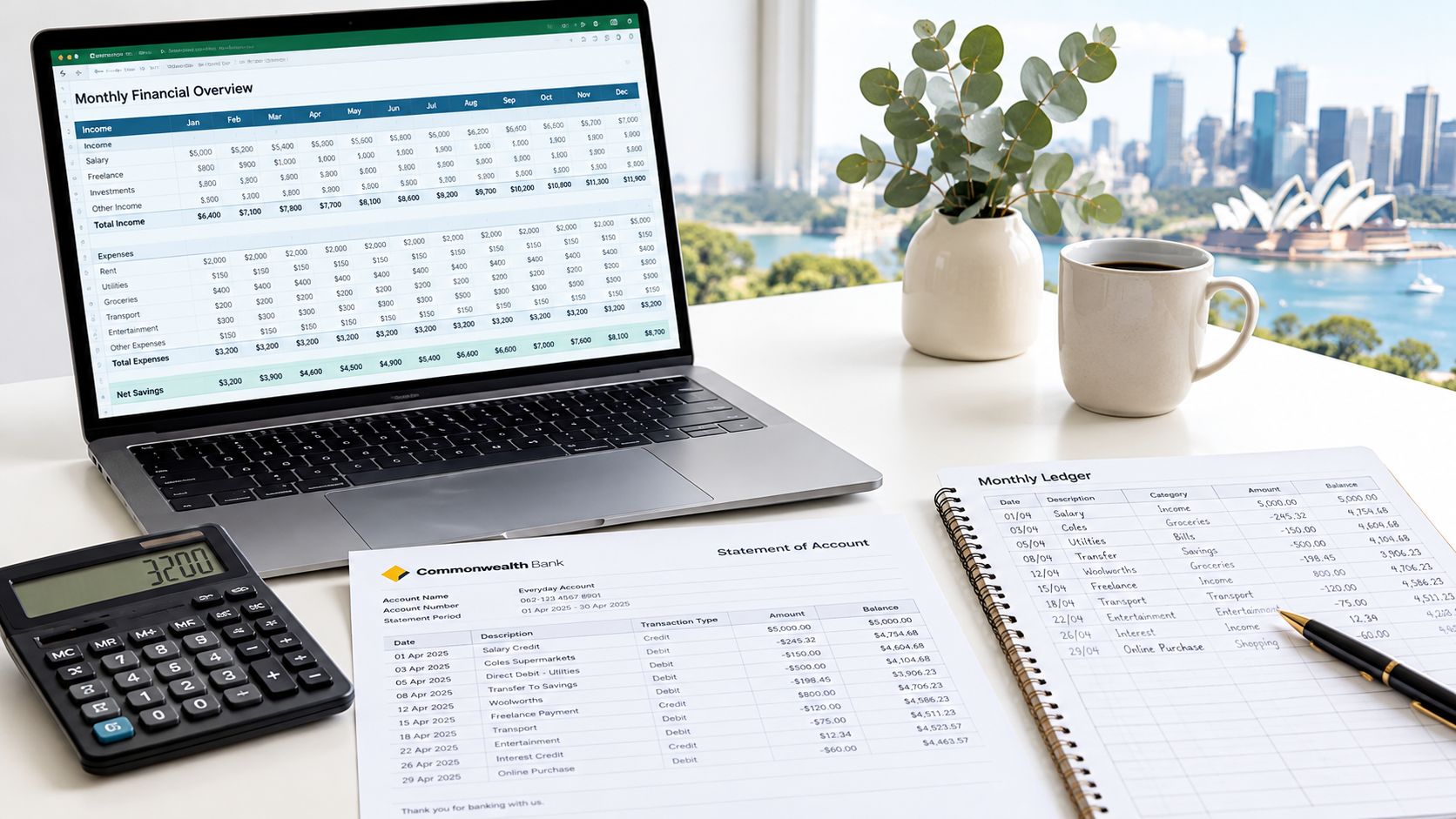

You can keep clean daily entries and still miss the deadline that matters most. In trust account bookkeeping, the real risk is often outside the ledger, a state-specific reconciliation, notification, or audit requirement that gets overlooked. The safest agencies treat bookkeeping as one layer and compliance as another.
Templates and Sign-Off Cadence for Audit-Ready Records
How healthy is your trust account?
Book a complimentary 30-minute Trust Account Health Check and see where your processes could be improved.
Book a Free Health Check →The working papers that should already exist
State-specific trust compliance windows
Map each account to its own rule set
Building a State-Specific Compliance Layer
Clearing Backlogs Without Creating New Errors
Could outsourcing save your agency time and money?
Book a complimentary 30-minute Trust Account Health Check and see where your processes could be improved.
Book a Free Health Check →The evidence trail matters more than the keyboard
Proving Control Over Payment Preparation and Approval
Running a Defensible Three-Way Reconciliation
Setting Up the Daily Trust Bookkeeping Workflow
What the layered model looks like in practice
Why Trust Account Bookkeeping Works Best as a Layered Routine
Table of Contents
- Why a Layered Routine Works
- The Daily Workflow
- The Three-Way Reconciliation
- Payment Controls
- Backlog Clean-Up
- State-Specific Compliance
- Audit-Ready Records
Why a Layered Routine Works
Trust account bookkeeping works best when agencies separate daily processing from state-based compliance. Daily work covers receipting, payment matching, and exception handling. The compliance layer covers deadlines, audit timing, retention, and notifications.
Victoria shows why this matters. Records must show the true position of trust money, and the principal agent or officer in effective control must verify the monthly reconciliation within 14 days after month-end. Deficiencies must be reported within 3 business days. Consumer Affairs Victoria's trust-money guidance sets out the requirements clearly.
If a deadline is attached to the wrong state, the checklist is a risk, not a control.
The Daily Workflow
A strong routine is simple:
- Receipt funds the same day and post them to the correct ledger.
- Match payments to approvals before money leaves the account.
- Review exceptions daily, including unidentified deposits, suspense items, and stale credits.
An exception log should show the issue, owner, cause, correction, and closure date. Teams that leave these items until month-end usually repeat the same problems.

The Three-Way Reconciliation
A proper trust reconciliation matches three balances:
- Bank statement
- Trust cashbook
- Client sub-ledgers
Western Australian guidance describes this same structure and says the accounts must be balanced at month-end and reconciled within 10 days under that framework. WA's auditing guide is a useful reference.
Each timing item should be supported. If you cannot trace it, it is not a reconciling item yet, it is an unexplained difference.

For a practical implementation example, see this trust account reconciliation overview.
Payment Controls
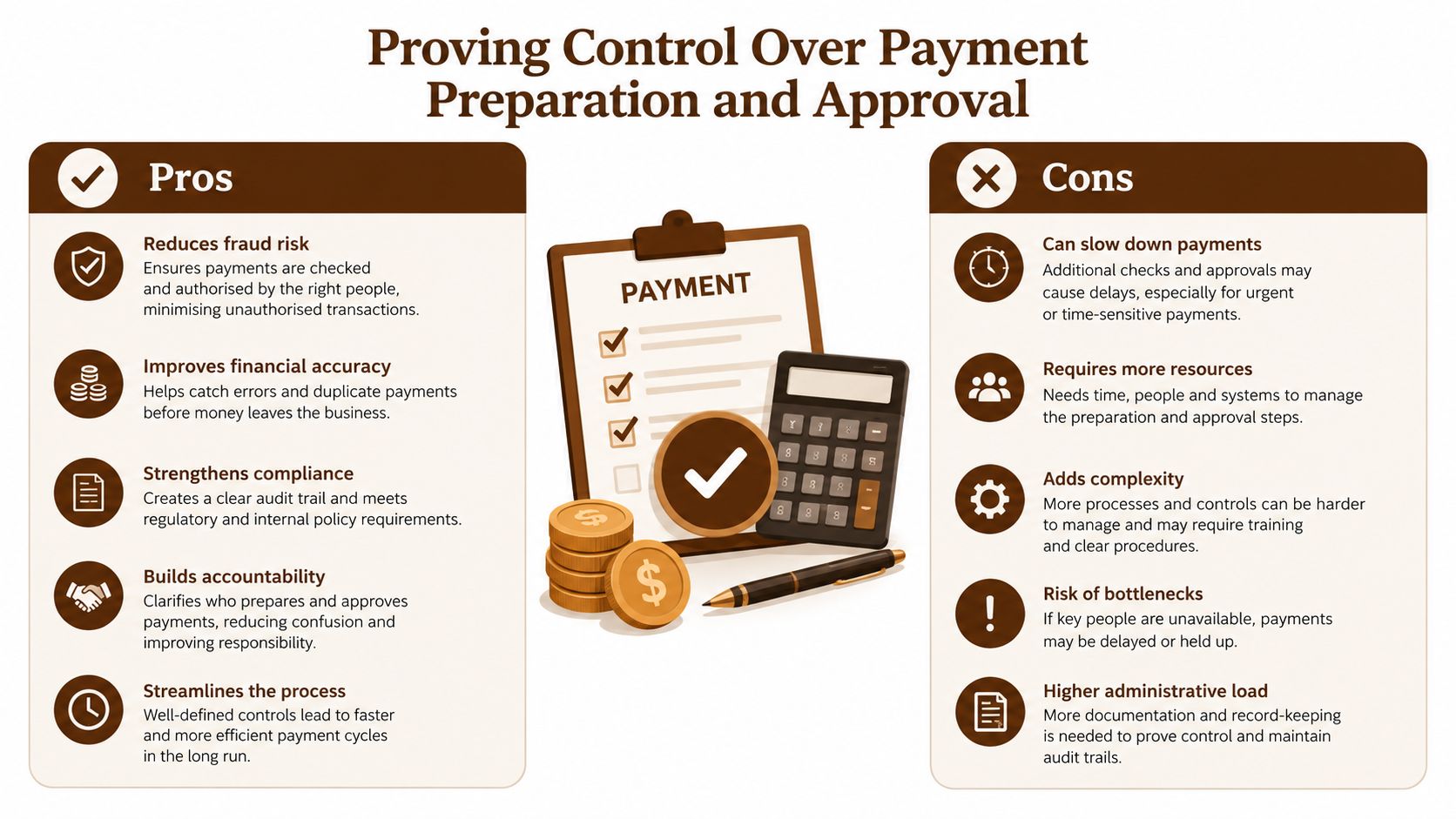
Good controls prove who prepared a payment, who approved it, and who checked any payee changes. The file should show:
- source invoice or authority
- changed bank detail checks
- preparer and approver identity
- timestamps
- exception notes
- post-payment reconciliation
If the file cannot show who checked the payee details, the control did not happen.
For agencies that want outside support, Reliance Property Accounts is one option that handles trust-account bookkeeping, reconciliations, and payment preparation within agency-approved systems.
Backlog Clean-Up
Backlogs should be triaged before anything is posted. Prioritise the oldest and largest differences, gather source documents, and only correct items once the cause is clear. If evidence is missing, escalate instead of guessing.
A correction without support may fix the balance but create an audit problem.
State-Specific Compliance
Each trust account should be mapped to its own state rules, including audit period, reconciliation deadline, retention period, and notification triggers.
In Victoria, opening a trust account also requires written notice to Consumer Affairs Victoria within 14 days. Victoria's penalties and opening-notice page covers that obligation.
| State | Reporting Deadline | Reconciliation Window | Notification Trigger |
|---|---|---|---|
| Victoria | Within 3 months after 30 June | Verified within 14 days | Notice within 14 days of opening |
| New South Wales | 30 September | State-specific cycle | State-specific notifications |
| Western Australia | 31 March | Within 10 days | State-specific escalation and audit rules |
For a worked example, see this trust account bank guidance.
Audit-Ready Records
Keep these records current throughout the year:
- bank statements
- reconciliation reports
- ledger trial balances
- transaction listings
- timing-item evidence
- payment approvals
- exception logs
- signed authorisations
Victoria also requires trust records to be retained for 7 years. Consumer Affairs Victoria's audit guidance outlines the retention standard.
For agencies that want a practical structure, this audit preparation checklist can sit alongside the monthly file.
If your trust account process still depends on memory, ad hoc spreadsheets, or one person who just knows the routine, it may be time to tighten it up. Reliance Property Accounts works with Australian real estate agencies on daily trust-account management, reconciliations, payment preparation, and audit-ready records within the agency's own systems and state-specific requirements. Visit Reliance Property Accounts to learn more.